Types of Residential Metal Roofing Panels: 2026 Guide
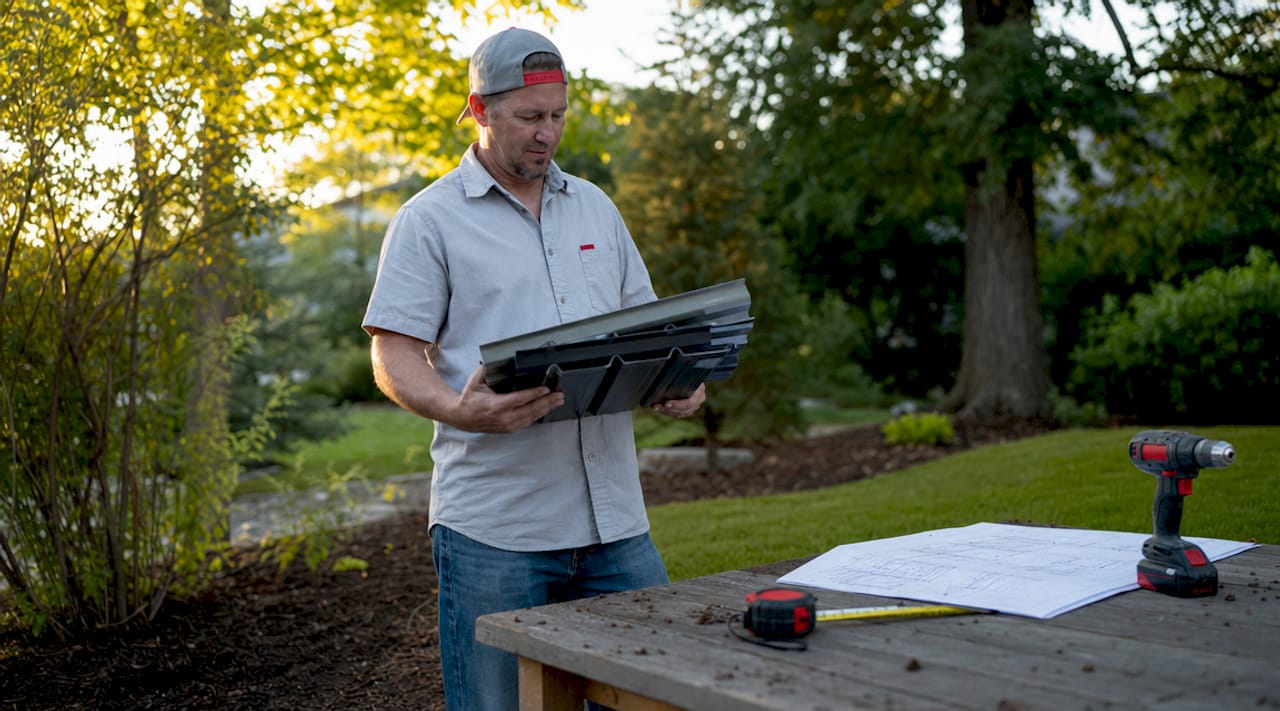
Discover the types of residential metal roofing panels in our 2026 guide. Learn how to choose the best panel for your home’s needs!
Metal roofing panels are defined primarily by their fastening system, and that single design decision determines everything from leak risk to lifespan on your home. The types of residential metal roofing panels available today fall into three broad families: concealed fastener systems like standing seam, exposed fastener rib panels like PBR and R-panel, and profile styles like corrugated and metal shingles. Each category suits different roof pitches, budgets, and aesthetic goals. Understanding which panel fits your structure before you order metal roofing panels as a homeowner saves you from costly mismatches and callbacks.
1. What are the main types of residential metal roofing panels?
Metal roofing panels are categorized into three main fastening families: standing seam with concealed fasteners, exposed fastener rib panels such as PBR and Tuff Rib, and corrugated or profile panels. This framework matters because the fastening method drives every other performance variable, including water resistance, maintenance frequency, and installation complexity. Choosing between concealed and exposed fastener systems is the single most important decision a homeowner or property manager makes before selecting a specific panel style.
The three families cover a wide range of residential metal roofing options. Standing seam suits premium long-term installs. Exposed fastener panels like PBR and R-panel suit budget builds and outbuildings. Corrugated, 5V-crimp, and metal shingles fill the gap for rustic aesthetics and style-focused buyers. Knowing which family fits your project narrows the field immediately.
2. Standing seam panels: the premium residential choice
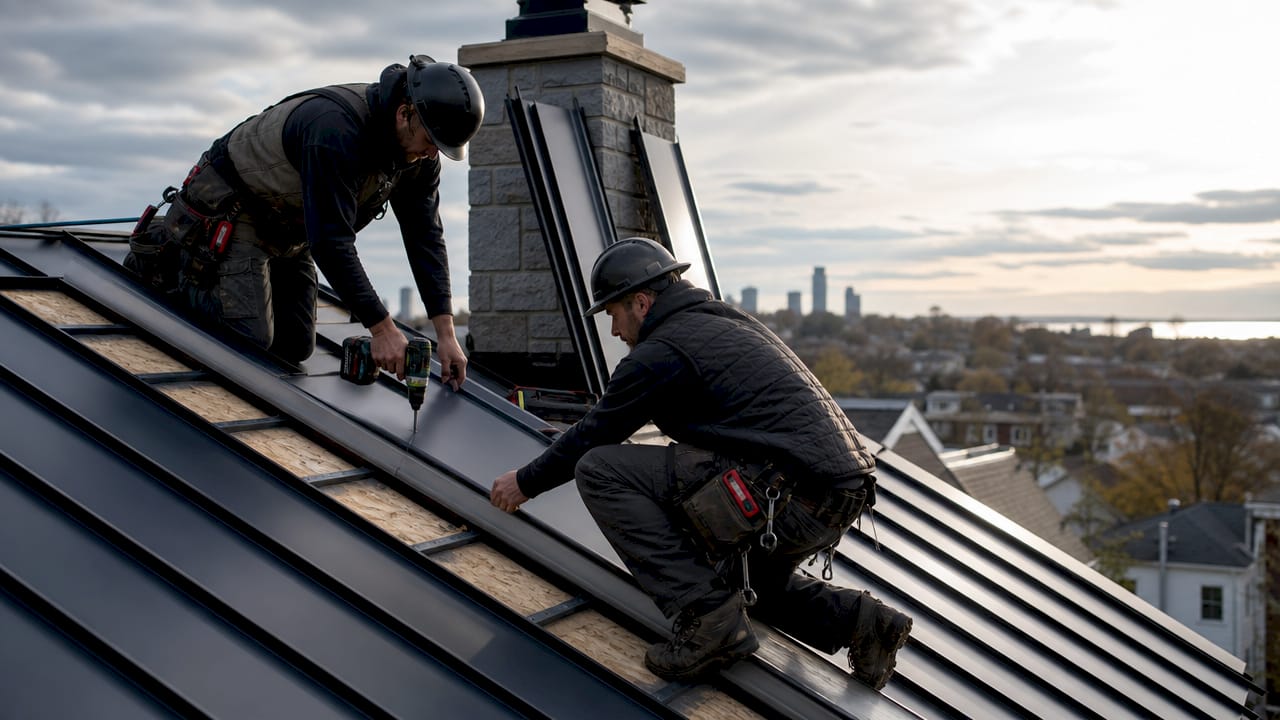
Standing seam panels feature raised interlocking seams with concealed fasteners, meaning no screws penetrate the panel surface. That design eliminates the most common source of metal roof leaks. The result is a clean, modern profile that architects and high-end homebuilders specify for residential projects across Virginia, Maryland, and the Mid-Atlantic region.
Three standing seam subtypes appear most often in residential work:
- Snap-lock panels (1.5" and 1.75" seam heights) click together without a mechanical seaming tool, making them faster to install on pitches of 3:12 or steeper.
- Mechanically seamed panels use a seaming machine to fold the seam closed, allowing installation on pitches as low as 0.25:12 and providing the tightest weather seal available.
- QuickLoc-style panels combine snap-lock speed with a secondary mechanical lock for added wind uplift resistance on coastal or high-wind sites.
Standing seam panels cost more than exposed fastener alternatives, and they require a skilled installer who understands clip spacing and thermal movement. The payoff is a roof that can last 40 to 70 years with minimal maintenance. MidAtlanticMetalPanels manufactures both 1" mechanical lock and 1.5" snap lock panels in 24-gauge and 26-gauge steel using Englert metal systems, giving contractors precise custom lengths cut to the job.
Pro Tip: When specifying standing seam for a residential project, always confirm the installer has experience with the specific seam height you are ordering. A 1.5" snap lock and a 1" mechanical lock require different clip systems and different seaming tools.
3. How PBR and R-panel compare for residential use
PBR and R-panel are the two most common exposed fastener rib panels in residential and light commercial metal roofing. Both use visible screws with neoprene washers to attach panels to the roof deck or purlins. The key structural difference is that PBR panels add a bearing leg at the panel overlap, making them stronger and better suited for open framing and purlin-supported roofs. R-panel lacks that bearing leg and works best over solid decking.
| Feature | PBR Panel | R-Panel |
|---|---|---|
| Bearing leg | Yes | No |
| Best substrate | Open framing / purlins | Solid deck |
| Rib height | ~1.25" | ~1" |
| Typical use | Agricultural, light commercial | Residential over decking |
| Cost | Slightly higher | Lower |
Both panel types install quickly and cost significantly less than standing seam. That speed and price make them attractive for detached garages, workshops, and secondary structures on residential properties. For the main house roof, the trade-off is maintenance. Exposed fastener panels require periodic inspection of screws and neoprene washers, which degrade over time and can allow water infiltration if not replaced.
Pro Tip: Budget for a fastener inspection every five to seven years on any exposed fastener roof. Catching a failing washer early costs far less than repairing the water damage it causes.
4. Corrugated and 5V-crimp panels for rustic residential settings
Corrugated metal panels use a repeating wave pattern that adds structural rigidity without increasing material thickness. That wave geometry is why corrugated panels have been used on barns, sheds, and farmhouse porches for over a century. The wave pattern provides strength and a classic look well suited to outbuildings and farmhouse-style structures.
5V-crimp panels follow a similar logic with a flatter, more angular profile. Both styles use exposed fasteners and suit roof pitches of 3:12 or steeper for most residential applications. Key characteristics include:
- Fast, straightforward installation that most experienced roofers can complete without specialized tools
- Lower material cost than standing seam, making them practical for large outbuilding roofs
- Available in Cor-Ten weathering steel for a distinctive rusted patina finish on modern farmhouse or industrial-style homes
- Galvanized and painted steel options in standard residential colors like Charcoal Gray, Galvalume, and Barn Red
The aesthetic trade-off is real. Corrugated and 5V-crimp panels look intentionally rustic, which fits certain architectural styles and clashes with others. They are not the right choice for a traditional colonial or a contemporary suburban home where curb appeal and resale value depend on a refined roofline.
5. Metal shingles and tile-style panels for aesthetic variety
Metal shingles are a distinct category from panel roofing. Rather than running in long continuous sheets, metal shingles are individual or interlocking units that mimic the look of asphalt shingles, wood shakes, slate, or clay tile. This makes them the top choice for homeowners who want metal roofing performance without the industrial or agricultural appearance of rib panels.
Steel and aluminum are the two primary materials. Consumer Reports tested metal shingles in 2026 for wind resistance, impact resistance, and corrosion, finding that five of the six top performers were steel. Aluminum models performed well but showed softer impact resistance than steel. Steel shingles with stone-coated finishes, such as those reviewed by stone-coated steel specialists, offer a textured surface that closely replicates the look of traditional roofing materials while retaining metal’s durability.
Key advantages of metal shingles for residential use:
- Suitable for Mediterranean, Tudor, craftsman, and rustic architectural styles
- Reflective factory coatings qualify many products for ENERGY STAR ratings
- Lighter than clay tile or concrete tile, reducing structural load on the home
- Interlocking design provides strong wind uplift resistance without exposed fasteners on most systems
The installation cost for metal shingles sits between exposed fastener panels and full standing seam systems. They require more labor than rib panels but less specialized equipment than mechanically seamed standing seam.
6. How roof pitch, fasteners, and energy efficiency shape your choice
Roof pitch is a hard constraint, not a preference. Exposed fastener panels like PBR and corrugated can be installed on pitches as low as 1:12. Snap-lock standing seam panels typically require a minimum of 3:12. Mechanically seamed standing seam panels work on pitches as low as 0.25:12, making them the only viable metal panel option for near-flat residential roofs.
The table below summarizes pitch requirements by panel type:
| Panel type | Minimum pitch | Fastener type |
|---|---|---|
| Mechanically seamed standing seam | 0.25:12 | Concealed |
| Snap-lock standing seam | 3:12 | Concealed |
| PBR / R-panel | 1:12 | Exposed |
| Corrugated / 5V-crimp | 3:12 | Exposed |
| Metal shingles | 3:12 | Concealed or exposed |
Energy efficiency adds another layer to the decision. Reflective metal roofing in hot climates can reduce cooling energy use by 10 to 25%, depending on the coating’s solar reflectance and thermal emittance values. ENERGY STAR-rated coatings are available across standing seam, metal shingles, and some rib panel products. In the Mid-Atlantic region, where summer cooling loads are significant, that efficiency gain translates directly to lower utility bills over the roof’s lifespan.
Maintenance frequency also varies by fastener type. Concealed fastener systems like standing seam require almost no routine fastener maintenance. Exposed fastener systems need periodic inspection and washer replacement to maintain their weather seal. For a property manager overseeing multiple buildings, that difference in maintenance burden adds up quickly over a 20-year horizon.
Pro Tip: In Virginia, Maryland, and Washington DC, specify a Kynar 500 or Hylar 5000 finish on any metal panel you order. These fluoropolymer coatings retain color and reflectivity far longer than standard polyester finishes in the Mid-Atlantic’s humid, UV-intensive climate.
Key takeaways
The right metal roofing panel is determined by fastening system first, then roof pitch, then aesthetics and budget.
| Point | Details |
|---|---|
| Fastening system drives performance | Concealed fastener panels like standing seam offer lower leak risk and less maintenance than exposed fastener options. |
| Pitch determines eligibility | Mechanically seamed panels work at 0.25:12; snap-lock requires 3:12; exposed fastener panels start at 1:12. |
| Steel shingles lead in testing | Consumer Reports 2026 testing found five of six top metal shingles were steel, outperforming aluminum in impact resistance. |
| Reflective coatings cut cooling costs | Highly reflective metal roofing reduces cooling energy use by 10 to 25% in hot climates. |
| Exposed fasteners need active maintenance | Washer and fastener inspections every five to seven years are required to prevent leaks on PBR, R-panel, and corrugated roofs. |
Why standing seam is still the answer most homeowners should hear
I have worked with contractors across Virginia, Maryland, and Pennsylvania long enough to see the same pattern repeat. A homeowner picks an exposed fastener panel to save money upfront, and by year ten they are dealing with fastener failures, minor leaks, and a roof that looks tired. The savings at purchase rarely survive contact with a decade of Mid-Atlantic weather.
Standing seam costs more. That is true. But the math changes when you account for the maintenance you will not do, the leaks you will not have, and the resale value you will protect. A Richmond standing seam panel on a well-built home in Northern Virginia adds to the property’s value in a way that a PBR panel on the same house simply does not.
The one place I tell homeowners to reconsider standing seam is on outbuildings, detached garages, and agricultural structures. There, PBR or corrugated makes complete sense. The structure does not carry the same aesthetic or resale weight, and the cost savings are real.
Metal shingles are the most underrated option in this category. Style-conscious homeowners who want a traditional roofline without the weight of slate or tile should look at steel shingles seriously. The Consumer Reports 2026 testing results confirm what installers have known for years: steel shingles perform well under real-world stress. They also give you design flexibility that no rib panel can match.
My practical advice: match the panel to the building’s purpose, not just the budget. Consult a local installer who knows your specific roof pitch and climate before you finalize any order. And if you are in the Mid-Atlantic region, prioritize a premium coating finish. The humidity here is not forgiving to bare or lightly coated metal.
— Matt Catino
MidAtlanticMetalPanels standing seam panels for your home
MidAtlanticMetalPanels supplies architectural-grade standing seam panels to contractors and builders across Virginia, Maryland, Washington DC, Pennsylvania, and West Virginia. The product line includes the Roanoke standing seam panels, Norfolk standing seam panels, and Richmond series, all manufactured in 24-gauge and 26-gauge steel using Englert metal systems. Custom lengths are cut and delivered directly to the job site, reducing waste and keeping projects on schedule.
If you are a homeowner working with a contractor or a property manager planning a re-roof, MidAtlanticMetalPanels can connect you with the right panel specification for your roof pitch, climate, and budget. Contact the team directly to discuss your project and get a tailored estimate for your region.
FAQ
What are metal roofing panels?
Metal roofing panels are factory-formed sheets of steel or aluminum installed over a roof deck or framing to provide weather protection. They are categorized by fastening method, concealed or exposed, and by profile design such as standing seam, rib panel, or corrugated.
Which type of metal roofing panel lasts the longest?
Mechanically seamed standing seam panels offer the longest lifespan, typically 40 to 70 years, because concealed fasteners eliminate the primary failure point found in exposed fastener systems.
Can I install metal roofing panels on a low-slope roof?
Yes. Mechanically seamed standing seam panels are rated for pitches as low as 0.25:12, making them the correct choice for low-slope residential roofs where snap-lock or exposed fastener panels would not seal reliably.
Do metal roofing panels save energy?
Reflective metal roofing reduces cooling energy use by 10 to 25% in hot climates, according to data from ENERGY STAR and the Cool Roof Rating Council. Panels with Kynar 500 or ENERGY STAR-rated coatings deliver the highest efficiency gains.
What is the difference between PBR and R-panel?
PBR panels include a purlin-bearing leg at the overlap, making them structurally stronger and better suited for open framing. R-panel lacks that bearing leg and is designed for installation over solid roof decking.