Common Standing Seam Metal Roofing Installation Mistakes and How to Avoid Them
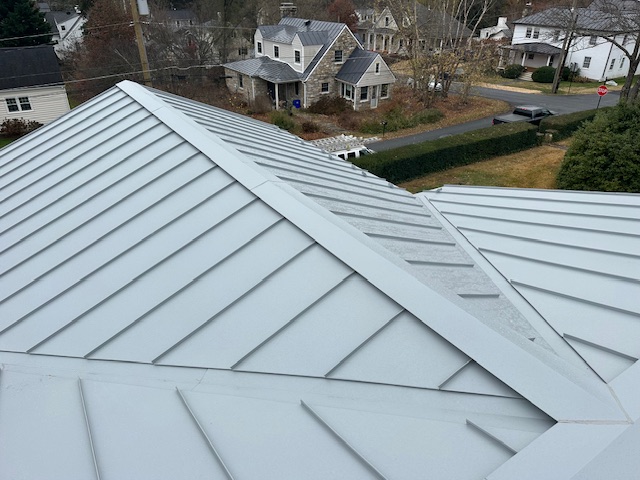
Standing seam metal roofing systems are among the most durable roofing solutions available, but even premium materials can fail when installation mistakes occur. This guide identifies the most common installation errors contractors encounter and provides practical solutions to improve workmanship, reduce callbacks, and maximize roof performance.
Standing seam metal roofing has earned a reputation as one of the most durable and attractive roofing systems available. Properly installed systems routinely perform for decades while delivering exceptional weather resistance and architectural appeal.
However, the key phrase is: properly installed.
Many roofing failures are not caused by material defects. Instead, they result from installation errors that compromise the roofing system long before the materials themselves reach the end of their service life.
Whether the project involves a luxury residence, church, commercial building, warehouse, school, or agricultural structure, installation quality remains one of the most important factors affecting long-term performance.
This guide reviews the most common standing seam installation mistakes and explains how contractors can avoid them.
Why Installation Quality Matters
Standing seam roofing is a complete system. Success depends on:
- Panel fabrication
- Underlayment
- Clip systems
- Flashing details
- Fastening methods
- Thermal movement accommodation
A mistake in any of these areas can affect the entire roof. Contractors who focus on quality control reduce:
- Warranty claims
- Service calls
- Water infiltration issues
- Customer complaints
Mistake 1: Inaccurate Roof Measurements
The installation process begins long before panels arrive. Incorrect measurements can create:
- Missing panels
- Incorrect flashing
- Material shortages
- Installation delays
Common Causes
- Rushed measurements
- Incomplete roof sketches
- Failure to account for transitions
- Ignoring roof penetrations
Best Practice
Use:
- EagleView reports
- Hover reports
- Detailed roof drawings
- Multiple verification measurements
Accurate measurements improve every phase of the project.
Mistake 2: Improper Panel Layout
Poor panel layout can negatively affect both appearance and performance.
Common Problems
- Uneven panel spacing
- Misaligned seams
- Awkward panel termination points
Best Practice
Establish a panel layout plan before installation begins. Consider:
- Symmetry
- Penetration locations
- Valley alignment
- Architectural appearance
Proper planning produces cleaner installations.
Mistake 3: Incorrect Clip Spacing
Clip systems secure standing seam panels while allowing movement. Improper clip spacing may lead to:
- Panel movement
- Wind performance issues
- Oil canning concerns
Best Practice
Always follow:
- Manufacturer requirements
- Engineering specifications
- Wind zone requirements
Clip spacing should never be guessed.
Mistake 4: Restricting Thermal Movement
Metal expands and contracts. This is one of the most important concepts in standing seam roofing.
Common Problems
Improper attachment can cause:
- Panel distortion
- Oil canning
- Fastener stress
- Flashing failures
Best Practice
Allow the roof system to move as designed. Use:
- Proper clips
- Expansion details
- Approved fastening methods
Thermal movement should be anticipated rather than prevented.
Mistake 5: Poor Underlayment Installation
Even premium roofing panels depend on proper underlayment.
Common Errors
- Wrinkles
- Tears
- Incomplete coverage
- Improper overlaps
Consequences
These mistakes can compromise water resistance.
Best Practice
Install underlayment according to manufacturer guidelines and inspect it before panel installation.
Mistake 6: Improper Flashing Details
Flashing failures remain one of the leading causes of roof leaks.
Common Problem Areas
- Valleys
- Chimneys
- Skylights
- Wall transitions
- Roof penetrations
Best Practice
Invest time in flashing design and fabrication. Quality flashing protects the most vulnerable areas of the roof.
Mistake 7: Poor Valley Installation
Valleys manage large volumes of water. Errors often include:
- Incorrect overlap
- Inadequate fastening
- Poor alignment
Best Practice
Use properly fabricated valley flashing and ensure adequate drainage capacity.
Mistake 8: Improper Fastener Selection
Not all fasteners are appropriate for standing seam roofing.
Common Errors
- Incorrect fastener type
- Insufficient corrosion resistance
- Improper length
Best Practice
Use fasteners recommended for the specific roofing system. Fasteners should match project requirements and environmental conditions.
Mistake 9: Ignoring Roof Penetrations
Every penetration represents a potential leak point. Examples include:
- Plumbing vents
- Exhaust systems
- HVAC equipment
- Skylights
Best Practice
Plan penetration flashing carefully and use approved flashing systems.
Mistake 10: Poor Panel Handling
Even high-quality panels can be damaged before installation.
Common Damage
- Scratches
- Dents
- Bent seams
- Coating damage
Best Practice
Handle panels carefully and minimize unnecessary movement. On-site roll forming can significantly reduce handling damage.
Mistake 11: Failing to Inspect Materials
Installation should not begin without material inspection. Contractors should verify:
- Panel lengths
- Quantities
- Colors
- Trim packages
Addressing issues early prevents costly delays.
Mistake 12: Inadequate Ventilation Planning
Roof ventilation affects:
- Energy efficiency
- Moisture control
- Roof longevity
Best Practice
Evaluate ventilation requirements during design rather than after installation begins.
Mistake 13: Incorrect Ridge Installation
Improper ridge details may lead to:
- Water infiltration
- Ventilation issues
- Appearance concerns
Best Practice
Use properly designed ridge cap systems and verify alignment carefully.
Mistake 14: Poor Communication Between Trades
Many roofing issues originate from coordination problems. Examples include:
- HVAC modifications
- Electrical penetrations
- Mechanical equipment changes
Best Practice
Coordinate all roof penetrations before installation whenever possible.
Mistake 15: Ignoring Manufacturer Specifications
Every roofing system has unique requirements. Ignoring manufacturer instructions may:
- Void warranties
- Reduce performance
- Increase liability
Best Practice
Follow manufacturer specifications consistently.
Quality Control Best Practices
Professional contractors implement quality control procedures throughout the project. Recommended checkpoints include:
Before Installation
- Verify measurements
- Confirm material quantities
- Review layout plans
During Installation
- Inspect clip spacing
- Verify panel alignment
- Evaluate flashing details
After Installation
- Final roof inspection
- Water management review
- Punch-list completion
Why Contractor Training Matters
Standing seam roofing differs significantly from traditional roofing systems. Experienced installers understand:
- Panel movement
- Flashing design
- Layout planning
- Waterproofing details
Training often improves project quality dramatically.
Benefits of Avoiding Installation Errors
Contractors who emphasize quality workmanship frequently experience:
- Fewer callbacks
- Better reviews
- Increased referrals
- Reduced warranty expenses
- Greater profitability
Quality installation becomes a competitive advantage.
Frequently Asked Questions
What causes standing seam roofs to fail?
Most failures result from installation issues rather than material defects.
Does thermal movement matter?
Yes. Metal expansion and contraction must be accommodated properly.
What is the most common installation mistake?
Improper flashing details are among the leading causes of roof leaks.
Can standing seam panels be installed incorrectly even if the materials are high quality?
Yes. Installation quality remains critical regardless of material quality.
Why is flashing so important?
Flashing protects roof transitions and vulnerable areas where water infiltration commonly occurs.
Does installer experience matter?
Yes. Experienced installers typically produce higher-quality results and fewer long-term problems.
Conclusion
Standing seam roofing systems offer exceptional durability and longevity when installed correctly.
Most roofing problems can be traced back to avoidable mistakes involving:
- Measurements
- Layout
- Flashing
- Thermal movement
- Fastening
- Quality control
Contractors who prioritize training, planning, and attention to detail consistently deliver better-performing roofs and stronger customer satisfaction.
Avoiding common installation mistakes protects both the roofing system and the contractor's reputation.
Need standing seam roofing panels, flashing, trim, and contractor support? Mid Atlantic Metal Panels provides:
- Standing seam metal roofing panels
- Custom flashing fabrication
- Contractor material takeoffs
- On-site roll forming
- Cut-and-drop delivery
- Technical project support
Contact Mid Atlantic Metal Panels today to discuss your next project and ensure your roofing system is designed for long-term success.