Complete Guide to Metal Roof Flashing and Trim Components
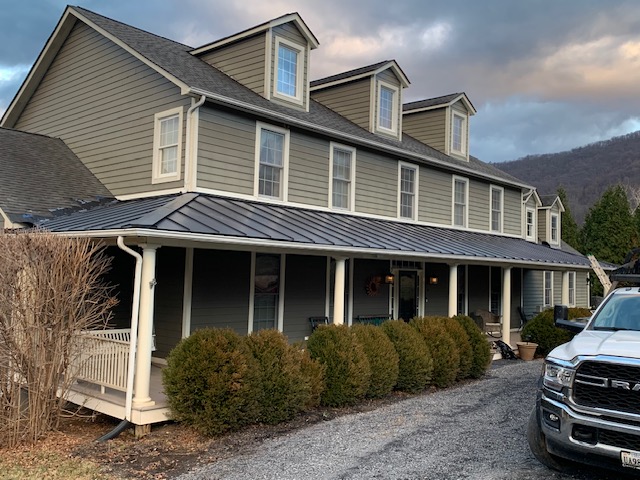
Metal roof panels receive most of the attention on roofing projects, but flashing and trim components are equally important. Properly designed and installed flashing protects vulnerable roof transitions, controls water flow, improves appearance, and significantly extends roof lifespan. This guide explains the purpose of every major flashing and trim component used in standing seam metal roofing systems.
Many roofing professionals focus heavily on selecting the correct panel profile, gauge, and finish. However, experienced contractors understand that flashing and trim components often determine whether a roofing system performs successfully for decades or develops problems within a few years.
Many roofing failures occur not because of the roofing panels themselves, but because of improperly designed, fabricated, or installed flashing details.
Whether you are installing a luxury standing seam roof, commercial metal roof, church, agricultural structure, or custom residence, understanding flashing and trim is critical.
This guide covers the major flashing components used in modern standing seam metal roofing systems.
What Is Roof Flashing?
Roof flashing consists of specially fabricated metal components designed to manage water movement at vulnerable roof locations.
Flashing protects:
- Roof transitions
- Intersections
- Penetrations
- Openings
- Changes in slope
- Wall connections
The purpose of flashing is simple: keep water out. Even the highest-quality roofing panels can fail if flashing details are incorrect.
What Is Roof Trim?
Trim components serve both functional and aesthetic purposes. Trim is used to:
- Finish roof edges
- Cover transitions
- Improve appearance
- Protect exposed areas
Proper trim installation contributes significantly to the overall appearance of a standing seam roof.
Why Flashing Is Critical
Water naturally seeks openings. Roofing systems contain numerous vulnerable locations, including:
- Valleys
- Chimneys
- Skylights
- Wall transitions
- Dormers
- Ridge lines
Without properly designed flashing, water infiltration becomes much more likely. Quality flashing can often determine whether a roof lasts 15 years or 50 years.
Ridge Cap Flashing
One of the most recognizable flashing components is the ridge cap.
Purpose
Ridge cap protects the highest point of the roof where opposing roof planes meet. Its functions include:
- Water protection
- Ventilation support
- Aesthetic finishing
Types
Common ridge systems include:
- Closed ridge
- Vented ridge
- Architectural ridge systems
Many standing seam projects incorporate vented ridge systems for improved attic ventilation.
Drip Edge Flashing
Drip edge protects the lower edge of the roof.
Purpose
It directs water away from:
- Fascia boards
- Roof decking
- Building walls
Without drip edge, water can migrate behind roofing materials.
Benefits
- Improved drainage
- Reduced wood deterioration
- Cleaner water runoff
Drip edge remains one of the most important yet frequently overlooked components.
Rake Trim
Rake trim protects sloped gable edges.
Purpose
Its functions include:
- Wind protection
- Water control
- Edge finishing
Appearance Benefits
Rake trim creates clean roof lines and a finished architectural appearance. On many projects, it significantly improves curb appeal.
Valley Flashing
Valleys manage large amounts of water.
What Is a Valley?
A valley forms where two roof planes intersect. Because water naturally concentrates here, valleys require special attention.
Valley Flashing Functions
- Direct water flow
- Protect roof intersections
- Reduce leakage potential
Open Valleys
Most standing seam systems utilize open valleys. Their advantages include:
- Improved drainage
- Easier maintenance
- Reduced debris accumulation
Sidewall Flashing
Sidewall flashing protects roof-to-wall transitions.
Common Locations
- Dormers
- Vertical walls
- Roof additions
Purpose
Water traveling down walls must be redirected safely onto the roof surface. Sidewall flashing accomplishes this. Improper installation frequently causes leaks.
Endwall Flashing
Endwall flashing protects locations where roofing terminates against a vertical wall.
Common Applications
- Building additions
- Dormers
- Chimney intersections
Function
Endwall flashing prevents water from entering behind roofing panels and is often one of the most important waterproofing details on a project.
Transition Flashing
Many roofs contain changes in slope.
Examples
- Porch roofs
- Shed additions
- Multi-level roof systems
Transition flashing bridges these changes.
Benefits
- Water control
- Improved appearance
- Reduced leakage risk
Custom fabrication is often required.
Chimney Flashing
Chimneys create one of the most complex flashing conditions. A complete chimney flashing system often includes:
- Apron flashing
- Counter flashing
- Cricket flashing
- Side flashing
Each component serves a specific purpose. Improper chimney flashing remains one of the most common causes of roof leaks.
Skylight Flashing
Skylights interrupt the roof surface and require careful waterproofing. Flashing systems must account for:
- Water flow
- Snow accumulation
- Thermal movement
Many manufacturers provide engineered flashing systems specifically designed for skylights.
Pipe Flashing
Plumbing vents and mechanical penetrations require specialized flashing boots. Their benefits include:
- Waterproof sealing
- Thermal flexibility
- Long-term durability
High-quality pipe flashing systems improve roof longevity.
Snow Retention Components
Snow retention is not technically flashing, but often works alongside flashing systems. Examples include:
- Snow guards
- Snow rails
- Snow fences
These systems help prevent sudden snow release.
Coping Systems
Commercial buildings frequently use parapet walls. Coping systems protect:
- Wall tops
- Masonry surfaces
- Waterproofing systems
Benefits include:
- Improved appearance
- Reduced moisture infiltration
- Enhanced durability
Custom Flashing Fabrication
Many projects require custom trim. Common custom components include:
- Curved flashing
- Specialty transitions
- Architectural trim
- Historic restoration pieces
Custom fabrication allows contractors to address unique roof conditions.
Material Considerations
Flashing components should generally match roofing materials. Benefits include:
- Consistent appearance
- Compatible expansion rates
- Improved durability
Common materials include:
- Galvalume steel
- Aluminum
- Copper
- Zinc
Common Flashing Mistakes
Missing Flashing Components
Failure to include flashing in material takeoffs often causes delays.
Improper Overlaps
Flashing overlap requirements must be followed carefully.
Incorrect Sealant Use
Sealants should supplement flashing, not replace it.
Poor Water Management
Flashing should direct water away from vulnerable areas.
Ignoring Thermal Expansion
Metal movement must be accommodated properly.
How Flashing Impacts Roof Lifespan
A properly flashed standing seam roof may perform for decades. Poor flashing details often become failure points.
Contractors who invest in quality flashing systems frequently experience:
- Fewer callbacks
- Better customer satisfaction
- Reduced warranty issues
Why Contractors Order Flashing With Panels
Many contractors order flashing and panels together because:
- Color consistency improves
- Delivery coordination becomes easier
- Material compatibility is ensured
This simplifies installation and reduces project risk.
Frequently Asked Questions
What is the most important flashing on a roof?
All flashing is important, but valleys, wall transitions, and penetrations are often the most critical.
Does flashing need maintenance?
Periodic inspections are recommended to identify damage or deterioration.
Can flashing be custom fabricated?
Yes. Many standing seam projects require custom flashing.
Should flashing match roof color?
Most contractors prefer matching materials for appearance and consistency.
Why do roofs leak around flashing?
Improper installation, damaged flashing, and poor detailing are common causes.
How long does metal flashing last?
Quality flashing often lasts as long as the roofing system itself.
Conclusion
Roof panels may receive most of the attention, but flashing and trim components are often the unsung heroes of a successful roofing system.
Every valley, wall transition, chimney, skylight, and roof edge depends on proper flashing design and installation.
By understanding the purpose of each flashing component, contractors, architects, builders, and property owners can make informed decisions that improve durability, appearance, and long-term performance.
Need flashing and trim for your next standing seam roofing project? Mid Atlantic Metal Panels supplies:
- Ridge cap systems
- Valley flashing
- Rake trim
- Drip edge
- Sidewall flashing
- Endwall flashing
- Transition flashing
- Coping systems
- Custom flashing fabrication
- Contractor material takeoffs
Submit your plans today and receive a contractor-focused quote for panels, flashing, trim, and accessories.