Contractor Guide to Ordering Standing Seam Metal Roof Panels
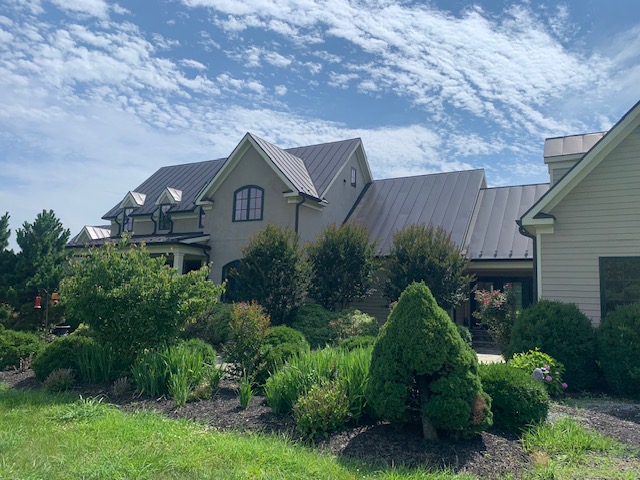
Ordering standing seam metal roof panels is one of the most important stages of any roofing project. Accurate measurements, proper panel selection, flashing coordination, and delivery planning can significantly impact profitability and project timelines. This guide explains how contractors can streamline the ordering process while reducing waste, avoiding delays, and ensuring successful installations.
Standing seam metal roofing continues to be one of the fastest-growing segments of the roofing industry throughout Virginia, Maryland, Washington DC, Pennsylvania, and West Virginia. Contractors are increasingly choosing standing seam systems because of their durability, architectural appearance, weather resistance, and long service life.
However, one of the most common causes of delays, cost overruns, and jobsite frustration is an improperly prepared material order.
A successful standing seam project begins long before the first panel arrives on-site. It starts with accurate planning, precise measurements, proper material selection, and coordination between the contractor and supplier.
This guide walks contractors through the complete ordering process and highlights the information needed to ensure a smooth project from estimate to installation.
Why Ordering Accuracy Matters
Unlike asphalt shingles, standing seam metal roofing is highly customized.
Panel lengths are typically manufactured specifically for each project. Flashing details often require custom fabrication. Trim packages must be coordinated with roof geometry. Small mistakes can create significant installation problems.
Benefits of accurate ordering include:
- Reduced material waste
- Fewer project delays
- Lower labor costs
- Better installation efficiency
- Improved customer satisfaction
- Increased contractor profitability
The goal is simple: order once and install without interruption.
Understanding Standing Seam Panel Options
Before ordering materials, contractors must determine which panel profile best suits the project.
1 Inch Mechanical Lock Panels
Mechanical lock systems are commonly selected for:
- Low-slope applications
- Commercial buildings
- High-wind environments
- Architectural projects
Common widths include:
- 17 inch coverage
- 21 inch coverage
Benefits include:
- Maximum weather resistance
- Exceptional wind performance
- Long-term durability
1.5 Inch Snap Lock Panels
Snap lock systems are popular for:
- Residential roofing
- Steeper slope projects
- Faster installation requirements
Common widths include:
- 16 inch coverage
- 20 inch coverage
Benefits include:
- Faster installation
- Clean appearance
- Reduced labor requirements
Selecting the correct panel profile early simplifies the remainder of the ordering process.
Choosing Between 24 Gauge and 26 Gauge Steel
Another important decision involves steel thickness.
24 Gauge
Advantages:
- Increased rigidity
- Better resistance to oil canning
- Enhanced durability
- Preferred for high-end projects
Recommended for:
- Luxury homes
- Commercial buildings
- Long panel runs
26 Gauge
Advantages:
- Lower material cost
- Lighter weight
- Widely used throughout residential markets
Recommended for:
- Residential roofing
- Budget-conscious projects
- Standard roof applications
Both options can provide excellent long-term performance when installed correctly.
Gathering Project Information
Before requesting a quote, contractors should assemble the following information.
Roof Measurements
Provide:
- Eave lengths
- Ridge lengths
- Valley lengths
- Hip lengths
- Roof slope
- Panel lengths
The more detailed the measurements, the more accurate the quote.
Roof Plans
Preferred options include:
- EagleView reports
- Hover reports
- Architectural plans
- Hand-drawn roof sketches
Digital roof reports can significantly reduce estimating errors.
Project Address
The jobsite address helps determine:
- Delivery requirements
- Transportation logistics
- Potential on-site roll forming opportunities
Determining Panel Quantities
Accurate panel counts are essential.
Contractors should account for:
- Roof width
- Panel coverage width
- Waste factors
- Valleys
- Penetrations
- Roof complexity
Simple roofs typically require less waste. Complex roofs require additional material allowances.
A supplier experienced in standing seam systems can assist with takeoffs and panel calculations.
Understanding Trim and Flashing Requirements
Many contractors focus on panel counts but underestimate flashing requirements.
Critical flashing components include:
Ridge Cap
Protects the ridge line while allowing ventilation.
Drip Edge
Directs water away from fascia systems.
Rake Trim
Finishes gable edges.
Valley Flashing
Manages water flow where roof planes intersect.
Sidewall Flashing
Protects wall-to-roof transitions.
Endwall Flashing
Used where roofs terminate against vertical walls.
Transition Flashing
Connects different roof slopes.
Coping Systems
Common on commercial and parapet applications.
Ordering flashing at the same time as panels improves efficiency and ensures color consistency.
Fasteners and Accessories
Every project also requires accessories.
Common items include:
- Clip systems
- Fasteners
- Sealant
- Butyl tape
- Closures
- Underlayment
- Snow retention systems
Failing to include accessories in the initial order can create unnecessary delays.
Delivery Planning
Material delivery is often overlooked.
Contractors should verify:
- Jobsite access
- Driveway restrictions
- Crane requirements
- Material staging locations
- Unloading equipment availability
Cut-and-drop delivery services can dramatically simplify logistics.
Benefits of Cut-and-Drop Delivery
Many contractors throughout the Mid-Atlantic region prefer cut-and-drop services because:
- Panels arrive cut to length
- Reduced labor
- Faster installation
- Less waste
- Improved jobsite organization
This approach is especially valuable on larger projects.
When On-Site Roll Forming Makes Sense
Certain projects benefit from on-site roll forming.
Advantages include:
- Extremely long panel lengths
- Reduced transportation limitations
- Fewer panel seams
- Improved appearance
Projects with panels exceeding transportation limits often benefit from this option.
Common Ordering Mistakes
Contractors can avoid costly errors by avoiding these common mistakes.
Incorrect Measurements
Always verify dimensions before ordering.
Missing Flashing Components
Review every roof transition carefully.
Ignoring Waste Factors
Complex roofs require additional material.
Last-Minute Changes
Design changes after production can increase costs and delays.
Not Coordinating Deliveries
Ensure materials arrive when crews are ready.
Working with a Contractor-Focused Supplier
The best suppliers do more than simply fabricate panels.
They provide:
- Material takeoffs
- Panel recommendations
- Flashing guidance
- Delivery coordination
- Technical support
These services can significantly reduce project risk.
Frequently Asked Questions
How much waste should I order?
Most projects require a waste factor based on complexity. Simple roofs require less waste than roofs with multiple valleys and penetrations.
Should I order extra panels?
Many contractors order additional material to accommodate field conditions and unforeseen issues.
Can standing seam panels be manufactured to exact length?
Yes. Panels are commonly fabricated to project-specific lengths.
Is 24 gauge worth the upgrade?
For many architectural and high-end projects, 24 gauge provides improved rigidity and long-term performance.
Can suppliers help with takeoffs?
Yes. Many contractor-focused suppliers assist with roof measurements and material calculations.
Conclusion
Ordering standing seam metal roofing panels successfully requires more than simply calculating square footage.
Contractors who invest time in proper planning, accurate measurements, flashing coordination, accessory selection, and delivery logistics consistently achieve better project outcomes.
The ordering process affects every phase of a roofing project—from estimating and procurement to installation and final customer satisfaction.
By partnering with an experienced standing seam metal roofing supplier, contractors can reduce risk, improve efficiency, and deliver exceptional results throughout Virginia, Maryland, Washington DC, Pennsylvania, and West Virginia.