Standing Seam vs Exposed Fastener Metal Roofing: Which Roofing System Performs Better?
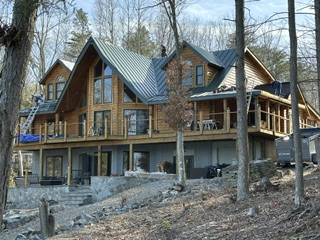
Standing seam and exposed fastener roofing are the two most common metal roofing systems available today. While both offer advantages, they serve very different applications. Understanding the differences in appearance, durability, maintenance, lifespan, weather resistance, and long-term cost helps contractors and property owners choose the best system for their project.
Metal roofing has become one of the fastest-growing segments of the construction industry.
Contractors, architects, builders, and property owners increasingly choose metal roofing because of its durability, longevity, and weather resistance.
However, one of the most common questions asked during project planning is: “Should I choose standing seam roofing or exposed fastener roofing?”
The answer depends on:
- Building type
- Budget
- Appearance goals
- Performance expectations
- Ownership timeline
Although both systems use metal panels, they are fundamentally different products designed for different applications.
Understanding these differences can prevent costly mistakes and help ensure long-term satisfaction.
What Is Standing Seam Roofing?
Standing seam roofing consists of vertically oriented metal panels connected by raised seams. Fasteners are concealed beneath the panels.
This creates a clean architectural appearance while protecting fasteners from weather exposure.
Common standing seam systems include:
1 Inch Mechanical Lock
Often used for:
- Commercial projects
- Architectural buildings
- Low-slope roofs
1.5 Inch Snap Lock
Commonly used for:
- Residential homes
- Custom homes
- Steeper roof applications
Standing seam systems have become the preferred choice for many premium projects.
What Is Exposed Fastener Roofing?
Exposed fastener roofing uses metal panels attached directly through the face of the panel. Fasteners remain visible after installation.
Common profiles include:
- R Panel
- PBR Panel
- Agricultural Panel
- Corrugated Panels
These systems are widely used because of their affordability.
Visual Appearance Comparison
One of the largest differences between the two systems is appearance.
Standing Seam Appearance
Benefits include:
- Clean vertical lines
- Hidden fasteners
- Architectural appearance
- Modern design aesthetic
Standing seam roofing is commonly used on:
- Luxury homes
- Churches
- Schools
- Commercial buildings
- Architectural projects
Exposed Fastener Appearance
Characteristics include:
- Visible screws
- More industrial appearance
- Traditional agricultural appearance
Common applications include:
- Barns
- Workshops
- Storage buildings
- Agricultural structures
Lifespan Comparison
Many property owners evaluate roofing investments based on lifespan.
Standing Seam Lifespan
Properly installed standing seam systems often last:
- 40 years
- 50 years
- 60 years
- 70+ years
Lifespan depends on material and environmental conditions.
Exposed Fastener Lifespan
Typical lifespan:
- 20 years
- 30 years
- 40 years
Lifespan depends on maintenance and installation quality. Because fasteners remain exposed, maintenance requirements are generally higher.
Fastener Performance
This is one of the most important differences.
Standing Seam Fasteners
Fasteners are concealed.
Benefits include:
- Protection from weather
- Reduced UV exposure
- Lower maintenance
Exposed Fastener Systems
Fasteners remain exposed to:
- Sunlight
- Rain
- Snow
- Temperature fluctuations
Over time:
- Washers may deteriorate
- Fasteners may loosen
- Maintenance may be required
Weather Resistance Comparison
The Mid-Atlantic region experiences:
- Hurricanes
- Severe storms
- Heavy rain
- Snow
- Ice
Roofing systems must perform under demanding conditions.
Standing Seam Performance
Advantages include:
- Concealed fasteners
- Elevated seams
- Reduced leak potential
- Excellent wind resistance
Exposed Fastener Performance
Properly installed systems can perform well. However:
- More penetrations exist
- Fasteners remain exposed
- Long-term maintenance typically increases
Maintenance Requirements
Maintenance costs often become significant over decades.
Standing Seam Maintenance
Typically includes:
- Periodic inspections
- Flashing evaluations
- General roof assessments
Maintenance requirements are generally minimal.
Exposed Fastener Maintenance
May require:
- Fastener replacement
- Washer replacement
- Sealant maintenance
- Leak repairs
Over time, maintenance costs may increase.
Thermal Expansion and Contraction
Metal expands and contracts with temperature changes. This is especially important throughout Virginia, Maryland, Pennsylvania, and West Virginia.
Standing Seam Systems
Clip systems allow:
- Controlled movement
- Reduced stress
- Improved performance
Exposed Fastener Systems
Fasteners restrict movement. Over time this can contribute to:
- Fastener fatigue
- Enlarged holes
- Maintenance issues
Wind Resistance
Many standing seam systems are engineered for high-wind environments.
Benefits include:
- Concealed attachment systems
- Continuous clips
- Interlocking seams
Exposed fastener systems can also perform well but often require additional engineering considerations.
Snow and Ice Performance
Standing seam systems generally shed snow more efficiently because of their smooth surface. Snow retention systems may be added when necessary.
Exposed fastener systems may retain more debris and moisture around fastener locations.
Energy Efficiency
Both systems can utilize reflective coatings.
However, standing seam systems are often selected for:
- Premium finishes
- Cool roof coatings
- Architectural energy-performance goals
Cost Comparison
Cost remains one of the largest factors influencing decisions.
Standing Seam Costs
Generally higher because of:
- More complex manufacturing
- Concealed clip systems
- Increased labor requirements
Exposed Fastener Costs
Typically lower because of:
- Simpler installation
- Lower material costs
- Reduced labor requirements
Initial cost often favors exposed fastener systems. Lifecycle value frequently favors standing seam roofing.
Commercial Building Applications
Standing seam is commonly used on:
- Office buildings
- Churches
- Schools
- Government facilities
- Retail buildings
Its appearance and longevity make it attractive for commercial projects.
Residential Applications
Standing seam continues to dominate the premium residential market.
Reasons include:
- Curb appeal
- Long lifespan
- Reduced maintenance
- Property value enhancement
Agricultural Applications
Exposed fastener systems remain popular on:
- Barns
- Equipment sheds
- Agricultural buildings
Budget considerations often drive these decisions.
Resale Value Considerations
Many homeowners view roofing as a long-term investment.
Standing seam roofing frequently contributes to:
- Enhanced curb appeal
- Premium property perception
- Long-term ownership confidence
Why Architects Prefer Standing Seam
Architects often specify standing seam because of:
- Clean appearance
- Hidden fasteners
- Modern design compatibility
- Long service life
This has made standing seam one of the most requested architectural roofing systems available.
Which Roofing System Is Right for You?
Choose Standing Seam If:
- Appearance matters
- Long-term ownership is expected
- Maintenance reduction is important
- Architectural aesthetics are a priority
Choose Exposed Fastener If:
- Budget is the primary concern
- Agricultural use is planned
- Appearance is less important
- Shorter ownership timelines are expected
Frequently Asked Questions
Is standing seam roofing better than exposed fastener roofing?
For long-term performance, appearance, and maintenance reduction, many contractors consider standing seam superior.
Why is standing seam more expensive?
Standing seam systems require specialized panels, clips, fabrication, and installation methods.
Which system lasts longer?
Standing seam roofing generally offers a longer lifespan.
Do exposed fastener roofs leak?
Properly installed systems can perform well, but exposed fasteners often require more maintenance over time.
Which roofing system increases property value?
Standing seam roofing is generally associated with premium residential and commercial projects.
What roofing system do architects prefer?
Most architects favor standing seam roofing for its appearance and performance.
Conclusion
Standing seam and exposed fastener roofing systems both have a place within the construction industry. However, they are designed for different goals.
Standing seam roofing excels in:
- Appearance
- Longevity
- Weather resistance
- Reduced maintenance
Exposed fastener roofing excels in:
- Affordability
- Simplicity
- Agricultural applications
Property owners should evaluate not only initial costs but also long-term performance when making roofing decisions.